

Anal pruritus is more common than many realize—and help is available. In this article, we discuss the causes of anal itching, simple and effective ways to relieve it, why it feels more itchy at night, key symptoms and habits to watch out for, and when it’s time to consult a doctor.
Anal Pruritus, otherwise known as Itchy Butt
Anal pruritus, otherwise known as pruritus ani, is the official medical term for persistent itching in the ‘backside’ perianal area. While it might feel embarrassing to talk about, it’s actually much more common than many realize, affecting roughly 5% of the world’s population and is four times more common in men than women (Hanno & Murphy, 1987). This is especially true for men in their 40’s to 60’s (Markell & Billingham, 2010).
“Let me just say this….you’re not dirty, you’re not weird, and you’re definitely not alone”
Studies show that persistent anal itching can negatively impact one’s mental health, contributing to worsening stress and depressive symptoms.
Advances in Dermatology and Allergology - Hadasik, Arasiewicz & Brzezińska-Wcisło, 2021
Anal itching is common, treatable, and nothing to be ashamed of. Acknowledging what you’re experiencing is the first step toward real relief. Always keep in mind that seeking help for pruritus ani isn’t just about relieving this annoying itch; it’s about caring for your body and mental health as a whole.
What Actually Causes Anal Itching? Understanding the Underlying Reasons
Common causes of anal itching include:
Physical Trauma and Tiny Tears (Fissures)
Overly aggressive or harsh cleaning with dry, abrasive toilet paper, or the repeated use of chemical-laden wipes, can cause tears in the delicate perianal skin. These tears can become highly sensitive and prone to inflammation and persistent itching.
Dermatitis / Sensitive Skin Reactions
1. Contact Dermatitis: This happens when the skin reacts to irritants or allergens, including:
- Soaps and body washes
- Laundry detergents and fabric softeners
- Perfumed or dyed toilet paper
2. Atopic Dermatitis (Eczema): People with a history of eczema, asthma, or allergies may experience perianal eczema, leading to dryness, redness, scaling, and itching of perianal skin.
👉 Remember! Even products marketed as “gentle” can trigger irritation in the sensitive ‘backside’ region.
Infections
- Fungal / Yeast Infections (Candidiasis) – Affects roughly 10% of people (Zuccati et al., 2005) & is often seen in individuals who are:
- Diabetic,
- Obese,
- On antibiotics,
- Wearing tight clothing,
- Has consistently damp skin.
- Pinworms (Enterobiasis): A common cause of pruritus in children.
- Other bacterial or viral infections including STDs like herpes.
Dietary and Lifestyle Triggers
Certain foods and beverages can irritate the anal canal and cause itching during bowel movement (Ortega & Delgadillo, 2019). Common culprits include:
- Coffee & Tea
- Alcohol
- Chili & spicy foods
- Citrus fruits & tomatoes
Other Medical Causes Beyond Skin Irritation
In a smaller number of cases, this may be a sign of other underlying medical conditions, rather than a problem limited to the skin itself. Conditions that may be associated with anal itching include:
- Hemorrhoids or anal fissures: which can cause irritation, moisture leakage, or inflammation
- Inflammatory bowel disease (IBD): such as Crohn’s disease or ulcerative colitis
- Metabolic and hormonal disorders: including diabetes mellitus and thyroid disease
- Cancer: ongoing anal or rectal itching may be linked to anal or rectal cancer.
Since anal pruritus is not a disease itself, but a symptom with many possible causes, treatment usually focuses on either soothing the irritated skin or addressing the underlying cause directly. Sometimes, no clear cause can actually be found. This is known as “idiopathic pruritus ani”, and makes up 25% to 75% of all anal itching cases (Song & Kim, 2011)
“Idiopathic” here simply means the cause is unknown. – It doesn’t mean it’s dangerous or untreatable.
Research suggests that a common factor in idiopathic pruritus ani is increased fecal contamination of the anal area, which can irritate the skin and trigger itching.
European Journal of Medical Research - Jakubauskas & Dulskas, 2023
Here’s the thing, even when a single cause cannot be pinpointed, effective treatment is still possible.
Most patients can experience significant relief through simple, practical care measures, providing relief in over 90% of cases (Markell & Billingham, 2010). But before we get into simple effective treatment options, you need to learn about the vicious ‘itch-scratch itch cycle.”
The "Itch-Scratch-Itch" Cycle
When the itch comes, scratching often provides temporary relief. But, further damage to the skin can occur, leading to a “cycle of itching and scratching” that worsens the condition.
Be careful of this vicious cycle. STOP Scratching!!
Scratching might feel good in the moment; but much like a mosquito bite, scratching this itch will further irritate the skin. Every time you scratch, more tiny tears and scrapes will appear, breaking the skin barrier further, making it more sensitive and prone to infection, trapping you in a frustrating spiral of worsening irritation and damage.
How to Relieve Anal Itching at Home: Simple & Effective Tips
We can try to relieve anal itching by implementing a simple three-step approach (Albuquerque, 2024) :
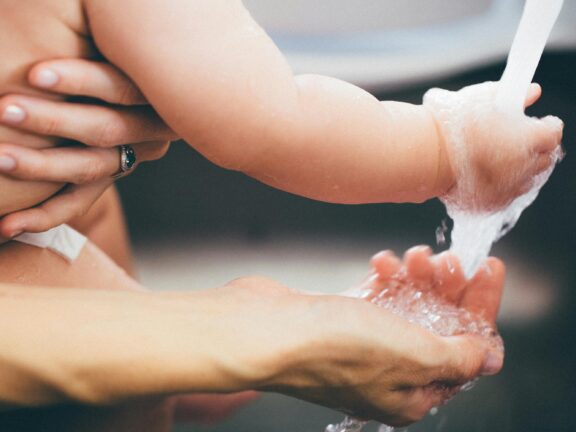
Gentle Hygiene
Clean the area gently and thoroughly, without over-washing. Harsh wiping, aggressive scrubbing, and frequent use of soaps, especially scented ones can damage the skin and worsen irritation.
Elimination of Irritants
Remove triggers that can cause skin inflammation. These include scented or medicated products, dyed toilet paper, tight clothing, and known dietary irritants such as spicy foods, caffeine, and alcohol.
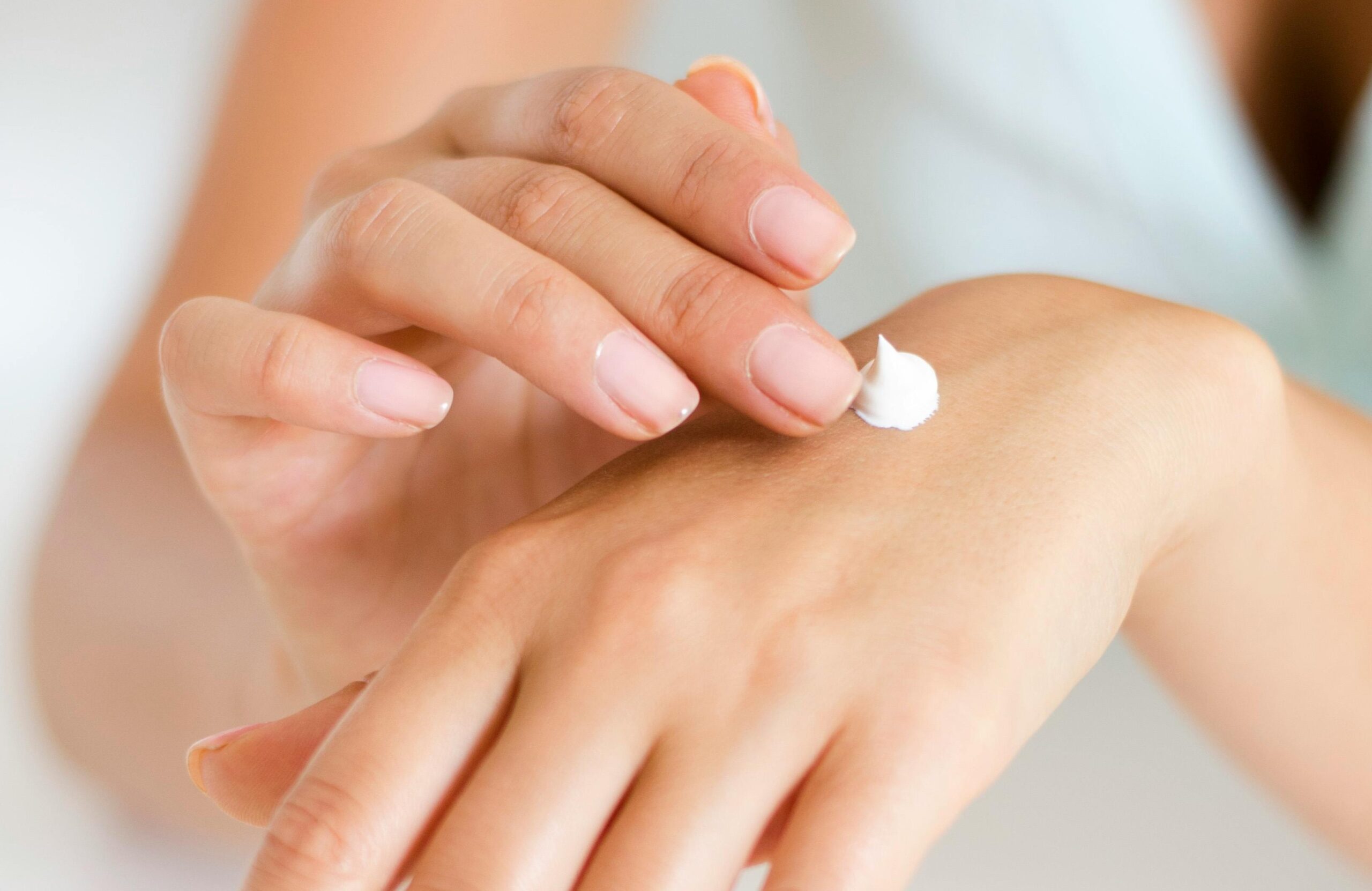
Skin Protection
Support the skin’s natural healing by reducing friction, protecting against moisture, and restoring the skin barrier with appropriate topical products and breathable clothing.
👉 Remember! Maintaining a dry, clean environment is key to managing this condition
How to Apply This in Daily Life
Here are some simple things we can do:
For Gentle Hygiene
- Clean with plain water or a mild, fragrance-free cleanser
- Use a bidet or handheld shower if available
- Avoid harsh soaps, wipes containing alcohol, or scrubbing
For Moisture Control & Skin Protection
- After cleansing, pat the area completely dry with a soft towel or tissue
- Avoid remaining in wet swimsuits or sweaty workout clothes. I find athletes or very active people often suffering from these symptoms!
- Wear loose-fitting, 100% cotton underwear and change it daily, or more often if it gets damp. You would be surprised how easily just changing the type of underwear you use might make a difference.
For Barrier Support and Symptom Relief
- Apply a thin layer of a zinc oxide or petrolatum-based ointment (such as Calmoseptine, Desitin, or A&D ointment) to protect the skin from moisture.
- Consider warm (not hot) baths with epsom salts for 10–15 minutes to soothe irritation, ensuring the area is thoroughly dried afterward. If you don’t have a bathtub, try a sitz bath which is what I’d recommend for patients with hemorrhoids or anal fissures.
- A low-dose over-the-counter (OTC) hydrocortisone 1% cream applied to the area twice a day for a short period (no more than 2 weeks) can calm inflammation and itch. More is not better if you don’t experience relief after 2 weeks of use.
- If you still don’t experience relief with the above remedies, try an OTC antifungal cream like clotrimazole or Lotrimin. Again, use for no more than 2 weeks.
Why does it itch worse at night?
Many people notice that anal itching intensifies in the evening or at night.
With fewer distractions as we wind down to sleep, the nervous system is more attuned to discomfort, making even mild irritation feel stronger.
On top of that, think of all the activities that we typically do right before sleep: dinner, drinking, toilet use, and showering. Once in bed, moisture or friction from bedding, sweat, or clothing can further aggravate the skin, often making nighttime itching feel more intense and become more disruptive to our beauty sleep.
When Should I Visit the Doctor?
While most cases of anal pruritus can be managed with improved hygiene and over-the-counter care, it is important to know when to seek professional medical advice like a GI doctor, colorectal surgeon, or even a dermatologist.
You should make an appointment to see your physician if:
- Bleeding, Pain, or Unusual Discharge: The presence of blood (even small amounts on toilet paper), significant pain, swelling, or any unusual discharge is a sign that a more serious condition, like a fissure, hemorrhoid, or infection, may be present.
- The Itching is Unbearable or Persistent: If the itching is so intense and chronic that it begins to affect your quality of life, sleep, work, or social activities, professional intervention is necessary.
- Visible Skin Changes: If you notice a rash, redness, scaling, weeping, or thickened skin that does not clear up.
Oftentimes, your doctor may recommend a colonoscopy to help identify the cause of anal pruritus. Find out more about this procedure in our related blog post.
What Does Having Anal Itch Mean for Me and My Health?
For most people, anal pruritus is a benign nuisance and it could mean nothing more than a need to adjust your hygiene habits or dietary intake. Remember that MANY people suffer from this; they just aren’t online or on social media advertising their symptoms. They quietly show up to clinics seeking help. You are not alone on this one.
Anal pruritus is the body’s way of informing you something is “up”. Whether it’s a tweak in your hygiene routine or investigating an underlying cause with a healthcare professional, listening to your body is key.
👉 Remember, it is always good to address any persistent symptom.
And if you want some of my favorite products when it comes to perianal care, check them out here: https://www.amazon.com/shop/leybelismd?ccs_id=10cec4ed-a215-4907-8aa8-b209b249fd58&isPublicView=true
If it is stealing your sleep or peace, it’s important enough to get checked.
References
Albuquerque, A. (2024). Anal pruritus: Don’t look away. World Journal of Gastrointestinal Endoscopy, 16(3), pp.112–116.
URL: https://doi.org/10.4253/wjge.v16.i3.112.
Hadasik, K., Arasiewicz, H. and Brzezińska-Wcisło, L. (2021). Assessment of the anxiety and depression among patients with idiopathic pruritus ani. Advances in Dermatology and Allergology, 38(4), pp.689–693.
URL :https://doi.org/10.5114/ada.2021.108906.
Hanno R, Murphy P. (1987) Pruritus ani. Classification and management. Dermatol Clin. 1987 Oct;5(4):811-6.
URL: PMID: 3315360.
Jakubauskas, M. and Dulskas, A. (2023). Evaluation, management and future perspectives of anal pruritus: a narrative review. European Journal of Medical Research, 28(1).
URL: https://doi.org/10.1186/s40001-023-01018-5.
Markell, K.W. and Billingham, R.P. (2010). Pruritus Ani: Etiology and Management. Surgical Clinics of North America, 90(1), pp.125–135.
URL: https://doi.org/10.1016/j.suc.2009.09.007.
Ortega, A.E. and Delgadillo, X. (2019). Idiopathic Pruritus Ani and Acute Perianal Dermatitis. Clinics in Colon and Rectal Surgery, 32(05), pp.327–332.
URL: https://doi.org/10.1055/s-0039-1687827.
Song, S.G. and Kim, S.H. (2011). Pruritus Ani. Journal of the Korean Society of Coloproctology, 27(2), p.54.
URL: https://doi.org/10.3393/jksc.2011.27.2.54.
Zuccati, G., Lotti, T., Mastrolorenzo, A., Rapaccini, A. and Tiradritti, L. (2005). Pruritus ani. Dermatologic Therapy, 18(4), pp.355–362.
URL: https://doi.org/10.1111/j.1529-8019.2005.00031.x.