Because IBS isn’t solved in appointments. It’s solved in the moments between them. Powered by Adaptive AI—Physician Supervised.

We Don’tJust Calm Symptoms. We Unlock What IBS Forced You to Restrict.
Not as concepts—as a coordinated, physician-guided system designed to work together.
Dr. Leybelis believes the current healthcare system often treats digestive symptoms in isolation, leaving important gaps in care.
Because in IBS, the mind-gut connection isn't optional - it's foundational.
Our mindset pillar draws from research in neuroplasticity, heart rate variability (HRV), and heart coherence principles. Dr. Leybelis participated in the Inner Health Coalition, a network of medical professionals exploring the integration of meditation and mindfulness tools by the work of Dr. Joe Dispenza into conventional healthcare.
These tools are incorporated thoughtfully and alongside evidence based medical care.
As a registered dietitian, I’ve spent years supporting individuals who want to feel better in their bodies but are often overwhelmed by conflicting nutrition advice and one-size-fits-all wellness trends.
I began to see a clear pattern: gut health and long-term wellbeing are rarely shaped by just one food or one habit. Digestive function, dietary patterns, metabolic health, and daily lifestyle choices all influence how people feel—but these pieces are often addressed in isolation.
Through my clinical work, education, and experience in corporate wellbeing, I began to build an approach centered on practical, evidence-based nutrition that is both inclusive and sustainable.
My goal is to help people move beyond confusion and restriction toward a clearer, more supportive path to digestive health and overall wellbeing.
Because IBS isn’t solved in appointments. It’s solved in the moments between them. Powered by Adaptive AI—Physician Supervised.
Get access to the app and get:
As you provide feedback:

We map your symptoms, history, triggers, and patterns in detail. We obtain baseline blood work and stool testing.
You receive a structured, physician-guided plan across all four domains.
Your plan evolves based on your responses—not a fixed schedule.
We refine until your symptoms stabilize—and your life expands again.
FOR PATIENTS LOCATED IN CALIFORNIA AND IDAHO ONLY
Remember those surprise bills in the mail even though insurance told you it was “covered”? That’s why we don’t do insurance.
Because sustainable IBS improvement requires:
Quick fixes often fail because they skip the nervous
system and habit layers
No.
Over-restriction often worsens sensitivity.
We focus on:
The goal is expansion – not shrinking your world.
Traditional GI visits are often time-limited and focused on ruling out danger. We are augmenting your existing gastroenterology care. It’s not meant to replace it.
This program is designed to:
IBS is rarely fixed in weeks.
Most patients notice:
IBS improvement looks like:
Someone who:
$1,999 paid annually. If you aren’t happy with your experience, receive a full refund if requested within 30 days of signing up. Email hello@leybelismd.com
Because this program includes physician-led medical care, patients must reside in California and Idaho for us to provide clinical services. If you live outside of California or Idaho, we hope to expand in the future and encourage you to stay connected for updates.
This is included in your annual fee. A $500 value alone!
We will do baseline blood work and stool testing to include looking at your liver enzymes, kidneys, electrolytes, thyroid, blood counts (looking for anemia), and screening for celiac disease. We will also check stool for markers of inflammation. For a detailed list of testing, please reach out to us for specific questions at hello@leybelismd.com


Featured in the New York Post, Dr. Leybelis Padilla shares a practical colonoscopy “behind-the-scenes” tip—prep isn’t always perfect, so plan to head home and reset after the procedure—while reinforcing that screening helps prevent colorectal cancer.

Millions have cut out bread thinking gluten is the culprit—but a recent Fox News report featuring Dr. Leybelis Padilla explains that for many people, symptoms may be driven more by other factors.

Your gut thrives on balance—not overload. In Parade, Dr. Leybelis breaks down why processed meats can be tough on digestion, describing how they can “stress” the gut ecosystem by fueling inflammation.

In a Newsweek feature, Dr. Leybelis Padilla shares three practical, natural ways to support gut health—focusing on fiber-forward eating, stress regulation (rest-and-digest tools like breathing/meditation), and movement as a daily “gut tune-up.”

It’s easy to feel lost in the vast wilderness that is stomach—or more accurately, abdominal—pain. But doctors have learned to read our midsection like a map. As they say, it’s all about location, location, location.
I do! I’m serious, and I think it’s a fantastic thing! It’s recently occurred to me that music is such a powerful tool when it comes to our mindset and mood.
Remember when you were a teenager and you would put that song on repeat? It had the power to make you cry pretty much every time you listened to it without fail? Or the opposite, make you feel like you could take on the world!
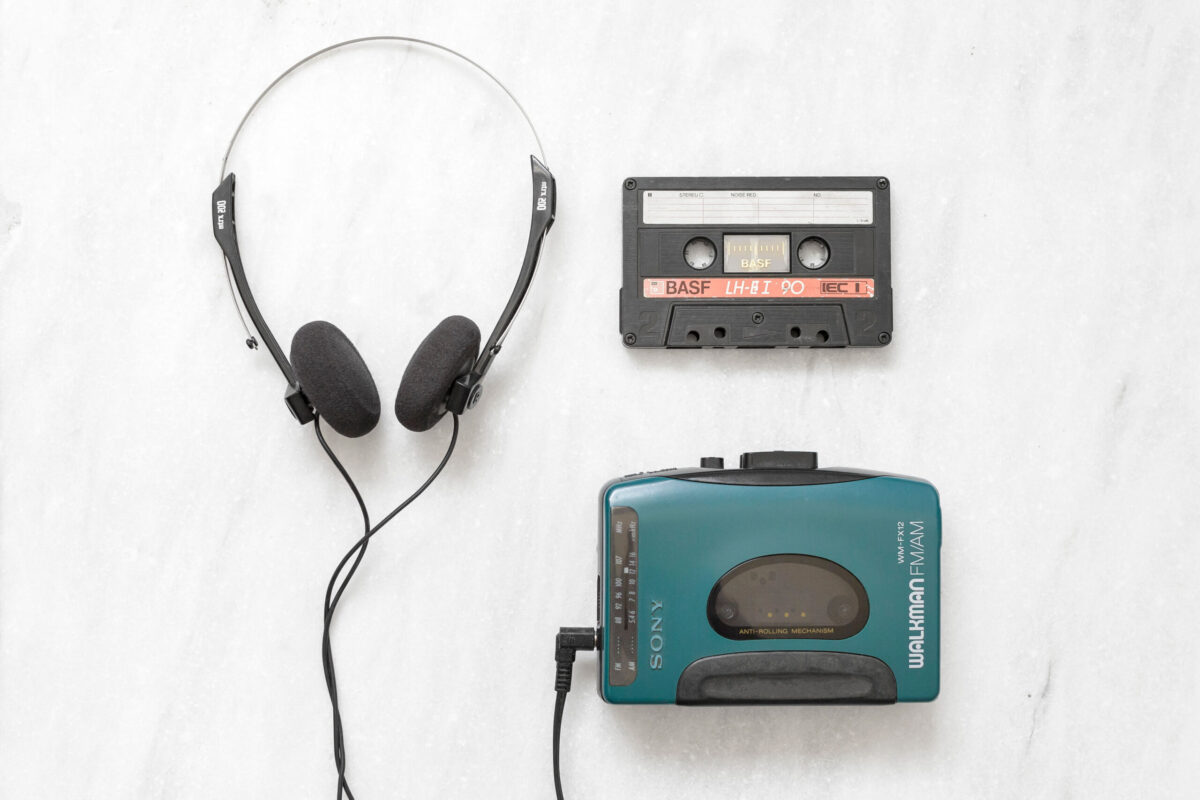
I remember like it was yesterday the way it felt to be alone in my bedroom, with my headphones on, tuned out to everyone else, and tuning into my own feelings. I would sing along to an artist who was expressing something I felt, in words deeper than any I could ever come up with. Man that was great. Thank you Mariah Carey, your music kept me from losing my mind!
We know trauma and stress play a role in symptom exacerbations. So we have to find ways to deal with stress. When we hold back how we feel, we hold all that stress in our bodies. I think this is especially true when we are masking our true feelings of grief, sadness, disappointment, and abandonment.
Music has the ability to evoke strong emotions and can be used as a tool for emotional regulation. It can help reduce stress, anxiety, and even alleviate symptoms of depression. And I think you should definitely use music to relive some of the emotional release techniques of your teenage years if you haven’t already!
Music has a profound impact on our brains, and there is a wealth of scientific research highlighting its positive effects. A few of my other favorite ways music can help IBD sufferers is releasing dopamine, helping to manage pain, reducing stress, and its ability to enhance social bonding.
When we listen to music we enjoy, it can stimulate the release of dopamine, a neurotransmitter that literally makes us feel pleasure and reward. Yes, I will take some extra happiness and satisfaction, how about you?! This can help with our perception of pain and also reduce cortisol levels (a stress hormone) in the body, leading to relaxation and stress relief.
And I’m sure I don’t have to tell you what it feels like to sing along with your best friend at your favorite artists concert (hey Bey hive… I see you… we all see you).
Music can enhance a sense of community and belonging. There is no better time than now to get out and see some live music. For me, there’s nothing like going out and seeing live music. I walk away feeling so recharged and inspired by great artists doing their thing.
Whether it’s the chill vibes of reggae or the electrifying beats of EDM, each genre can tug at those emotional strings. If you’re like me, you might have not taken the time and energy to find your mood-boosting, soul- soothing playlists yet. Don’t worry, platforms like Spotify, Apple Music, and YouTube offer a plethora of pre-made playlists that align with these mood categories. Just start searching for them and find what works for you!
Don’t forget, there’s delightful weather on the horizon. Embrace the opportunity to step outside and experience the exhilarating surge of joy that live music can ignite within your heart.